
Introduction
Cryptocurrency mining has evolved into a highly competitive and technical field. In 2026, it’s no longer just about plugging in a computer and hoping for profits. Successful miners need a clear strategy, the right hardware, software, and a deep understanding of market trends. Mining is the backbone of decentralized networks like Bitcoin and Ethereum, and it ensures security and transaction validation across the blockchain. However, as the market becomes more saturated, the old “set it and forget it” approach rarely works anymore.
The purpose of this guide is to provide a complete roadmap for miners in 2026. Whether you’re a beginner looking to step into cryptocurrency mining or an experienced miner aiming to optimize your returns, this article covers everything from choosing the right hardware and software to advanced strategies for maximizing profits. You’ll also learn about energy efficiency, taxation, cloud mining, and the latest trends shaping the mining landscape. By the end of this guide, you’ll have a practical, actionable blueprint to navigate cryptocurrency mining effectively and profitably in the year ahead.
Mining strategies are no longer just about raw hashing power. They now involve analyzing market trends, energy consumption, pool selection, and even geopolitical factors that could impact cryptocurrency profitability. The rise of AI-driven mining tools and renewable energy solutions means that miners in 2026 must be both tech-savvy and environmentally conscious. Think of it as running a small but sophisticated business: costs, ROI, and operational efficiency all determine whether your mining venture succeeds or fails.
Understanding Cryptocurrency Mining
Cryptocurrency mining is the process of validating transactions on a blockchain network while simultaneously creating new coins as a reward. At its core, mining is about solving complex mathematical problems that ensure the integrity of the blockchain. This process requires computational power, which is measured in hash rates. The more hashing power a miner has, the higher their chances of solving a block and earning rewards. In 2026, mining is much more competitive than in the early days of Bitcoin, making strategy a key factor in profitability. Miners now need to consider energy costs, hardware efficiency, and the volatility of coin prices before diving in.
There are two primary methods of cryptocurrency mining: Proof of Work (PoW) and Proof of Stake (PoS). PoW, used by Bitcoin, requires miners to perform intensive calculations to validate transactions. PoS, adopted by coins like Ethereum 2.0, uses a staking system where validators lock up their coins to secure the network. Each method has its pros and cons. PoW is energy-intensive but rewards miners with new coins, while PoS is more energy-efficient but requires significant coin holdings to participate. Understanding these differences is crucial because your mining strategy will depend heavily on the type of blockchain you choose to mine.
Profitability in mining depends on several factors, including the type of cryptocurrency, network difficulty, electricity costs, and the efficiency of your mining equipment. Network difficulty refers to how hard it is to solve a block, and it adjusts periodically to maintain consistent block times. If you choose to mine a popular coin like Bitcoin, the competition is intense, and the difficulty is high. On the other hand, mining emerging altcoins might offer higher rewards with lower competition but carries greater risk due to price volatility. Miners in 2026 also need to account for hardware depreciation, cooling costs, and potential regulatory changes in their country. Without careful planning and calculation, mining could become an expensive hobby rather than a profitable endeavor.
Another key aspect of mining strategy is timing and coin selection. Some miners follow the market, switching between coins depending on current profitability. Others focus on long-term accumulation of a single cryptocurrency, aiming to benefit from future price appreciation. Combining technical analysis with mining data can give you a competitive edge. For example, using software to monitor network difficulty and coin prices in real-time can help you adjust your strategy to maximize returns. In short, understanding how cryptocurrency mining works in 2026 requires both technical knowledge and a keen sense of market trends.
Essential Hardware for Mining
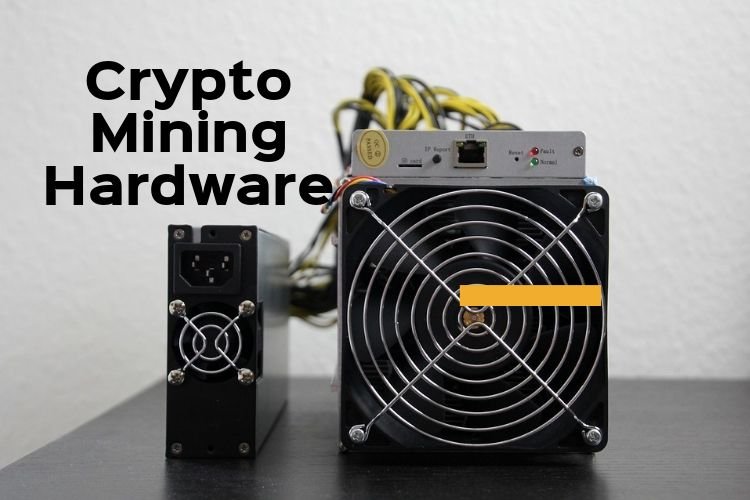
Choosing the right hardware is one of the most critical decisions for cryptocurrency miners in 2026. The market has evolved significantly from the early days when almost any computer could mine Bitcoin. Today, mining requires specialized hardware that can handle high computational loads while remaining energy-efficient. The two primary options for miners are GPUs (Graphics Processing Units) and ASICs (Application-Specific Integrated Circuits). Each has unique advantages depending on your mining goals, the cryptocurrency you are targeting, and your budget.
GPUs are versatile and can mine multiple cryptocurrencies, making them ideal for altcoins and new projects. They are especially popular for Ethereum and other GPU-friendly coins. GPUs allow for flexibility because you can switch between different coins if market conditions change. In 2026, modern GPUs are incredibly powerful, offering high hash rates with lower energy consumption compared to older models. When choosing a GPU, you should consider memory size, hash rate, power consumption, and cost. Remember, high-end GPUs are expensive, but they often provide faster ROI if electricity costs are managed efficiently.
ASIC miners, on the other hand, are purpose-built for a specific coin, such as Bitcoin. They are extremely efficient at what they do, offering unmatched hash rates and low energy consumption relative to their output. However, they are not flexible; an ASIC designed for Bitcoin cannot mine Ethereum or other coins. When investing in ASICs, miners must consider upfront costs, potential depreciation, and electricity usage. In regions with high electricity costs, ASIC miners might be less profitable despite their efficiency. Some miners offset this by combining ASICs with renewable energy sources or locating their rigs in regions with cheap electricity.
Aside from the main mining units, other hardware considerations include motherboards, power supplies, and cooling systems. A reliable motherboard with multiple PCIe slots allows you to run multiple GPUs simultaneously. Power supply units (PSUs) must provide stable and sufficient electricity to avoid downtime or hardware damage. Cooling systems are equally critical; overheating can reduce efficiency and lifespan of your mining rig. Many miners in 2026 use a combination of air and liquid cooling solutions to maintain optimal temperatures.
Finally, miners need to think about scalability. Investing in hardware is not just about immediate profits; it’s about creating a setup that can expand as mining demands grow. Modular rigs, energy-efficient units, and reliable components all contribute to long-term sustainability. Strategic hardware investment paired with intelligent energy management can turn a mining setup into a high-performing operation capable of generating consistent revenue in 2026.
Mining Software and Tools
Once you have the right hardware in place, the next step is choosing the proper mining software and tools. In 2026, mining software has evolved far beyond basic programs; today, it integrates performance monitoring, optimization features, and automated switching between cryptocurrencies to maximize profitability. The choice of software depends on your mining hardware, the type of cryptocurrency, and whether you plan to mine solo or join a mining pool. Using outdated or inefficient software can drastically reduce your earnings, even if your hardware is top-notch.
Best mining software for 2026 includes solutions like NiceHash, HiveOS, and CGMiner, which are widely respected for their reliability and user-friendly interfaces. NiceHash is particularly popular for beginners because it allows users to rent out their hashing power and automatically mines the most profitable coin. HiveOS is ideal for large-scale miners, offering robust monitoring features, remote management, and automated alerts for hardware issues. CGMiner, a command-line program, is highly customizable and often favored by advanced users who want full control over their mining operation.
Another critical decision is whether to mine solo or join a mining pool. Solo mining means you attempt to solve blocks independently. While this can result in massive payouts if successful, it is highly risky due to the low probability of mining a block alone. In contrast, mining pools allow miners to combine their computational power, improving their chances of earning consistent rewards. Pools distribute payouts based on contributed hash rates, ensuring that even small miners can profit. Some of the top mining pools in 2026 include F2Pool, Slush Pool, and Ethermine, each offering unique features, fee structures, and payout methods.
Monitoring and optimizing your mining setup is equally essential. Software tools can track hash rates, temperatures, fan speeds, and power consumption in real-time. This information allows you to tweak settings for maximum efficiency, whether through overclocking GPUs, adjusting fan curves, or reallocating resources to more profitable coins. Some advanced software also integrates AI-driven optimization, automatically shifting your mining focus depending on market conditions and network difficulty. This automation can significantly enhance profits while reducing manual intervention.
Additionally, miners should consider security-focused tools. Mining software that connects to wallets and pools must be protected against malware and unauthorized access. Features like two-factor authentication, secure APIs, and encrypted configurations can help safeguard your earnings. In 2026, where cyberattacks on mining operations are becoming more sophisticated, robust security measures are just as important as raw hashing power. With the right software and tools, miners can not only optimize performance but also secure their investment and ensure long-term profitability.
Energy Efficiency Strategies
Energy consumption is one of the biggest challenges facing cryptocurrency miners in 2026. Mining rigs, especially high-powered GPUs and ASICs, require a significant amount of electricity to operate continuously. Without careful energy management, electricity costs can quickly erode profits, making even technically efficient rigs unprofitable. Energy efficiency is no longer optional—it’s a core component of any successful mining strategy. Miners who adopt smart energy practices not only save money but also contribute to sustainable operations, which is becoming increasingly important as governments and communities demand greener practices.
One of the most effective energy strategies is optimizing power consumption of your mining rigs. Modern GPUs and ASICs allow miners to adjust voltage and clock speeds to reduce energy usage while maintaining high hash rates. This process, known as undervolting, minimizes wasted energy and heat, resulting in lower electricity bills and longer hardware lifespan. Similarly, advanced monitoring software can help track which rigs are consuming excessive power and allow you to dynamically adjust workloads to maximize efficiency. Small tweaks in hardware settings can lead to significant long-term savings.
Renewable energy solutions are gaining traction among miners in 2026. Solar panels, wind turbines, and hydroelectric energy can dramatically reduce operational costs and make mining more environmentally friendly. Some miners have even set up operations near renewable energy sources to take advantage of cheap or surplus electricity. For instance, regions with abundant solar or hydroelectric power offer lower energy costs than urban areas with conventional electricity. By strategically locating mining operations, miners can optimize both cost and energy efficiency simultaneously. Using green energy not only reduces expenses but also aligns your operation with future regulatory requirements, as many countries are introducing sustainability mandates for high-energy industries.
Cooling solutions also play a vital role in energy efficiency. Mining rigs generate significant heat, which if not managed properly, can decrease performance and shorten hardware lifespan. Traditional air cooling is standard, but advanced systems like liquid cooling, immersion cooling, or hybrid setups are becoming popular for large-scale operations. Efficient cooling reduces the energy required for fans and air conditioning while maintaining optimal hash rates. Additionally, proper airflow and environmental design in mining facilities can prevent overheating and equipment failures, ensuring a stable and profitable mining operation.
Energy-efficient strategies are no longer just about cutting costs—they are about creating a resilient and future-proof mining setup. Miners who invest in smart energy practices can achieve higher ROI, lower environmental impact, and long-term operational stability, making them well-positioned for the increasingly competitive mining landscape of 2026.
Mining Different Cryptocurrencies
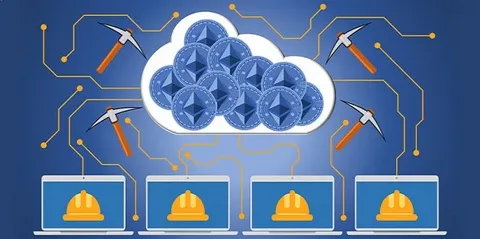
Mining strategies in 2026 vary significantly depending on which cryptocurrency you choose to mine. While Bitcoin remains the most recognized and high-value coin, other cryptocurrencies, commonly called altcoins, can offer more profitable opportunities for miners depending on market conditions, hardware, and energy costs. Understanding the unique characteristics of each coin is critical to maximizing your returns, as mining strategies that work for one cryptocurrency may be inefficient or unprofitable for another.
Bitcoin mining strategies primarily rely on ASIC hardware due to the network’s extremely high difficulty. To be profitable, miners need cutting-edge ASIC miners with high hash rates and efficient energy consumption. Location plays a critical role here, as electricity costs and cooling solutions directly impact profitability. Many Bitcoin miners in 2026 are exploring renewable energy sources or operating in regions with surplus electricity. Additionally, miners often join large mining pools to ensure steady payouts, as solo mining Bitcoin has become extremely difficult and rarely yields consistent rewards. Timing is another factor—adjusting mining focus based on Bitcoin’s price trends and halving cycles can dramatically affect long-term gains.
Ethereum and other GPU-friendly altcoins require different approaches. Ethereum, after fully transitioning to Proof of Stake, has reduced traditional mining opportunities, but other altcoins like Ravencoin, Ergo, or Flux still allow GPU mining. For these coins, flexibility is key—miners often use GPU rigs capable of switching between coins based on profitability metrics calculated by software like NiceHash or Minerstat. Diversifying mining across multiple altcoins can mitigate the risk of sudden price drops in a single cryptocurrency, creating a more stable revenue stream. However, this requires constant monitoring of network difficulty, transaction fees, and market trends.
Emerging cryptocurrencies in 2026 are another avenue for strategic miners. Smaller, newer coins often have lower network difficulty, making them more accessible to miners with limited hardware. The downside is higher volatility and lower liquidity, which can make cashing out difficult. Savvy miners often adopt a hybrid strategy: mine emerging coins to accumulate early positions while simultaneously maintaining stakes in established coins to balance risk and reward. Research is vital here; miners must assess the coin’s developer activity, community support, and long-term viability to avoid investing resources in unsustainable projects.
Finally, miners need to consider multi-coin strategies. Advanced miners often operate rigs capable of switching between cryptocurrencies automatically, based on real-time profitability algorithms. This approach maximizes hash rate efficiency and ensures that energy costs are always directed toward the most lucrative options. By understanding each cryptocurrency’s mining dynamics, hardware requirements, and market trends, miners in 2026 can craft personalized strategies that balance risk, energy consumption, and profitability, making cryptocurrency mining a more predictable and rewarding endeavor.
Cloud Mining: Pros and Cons
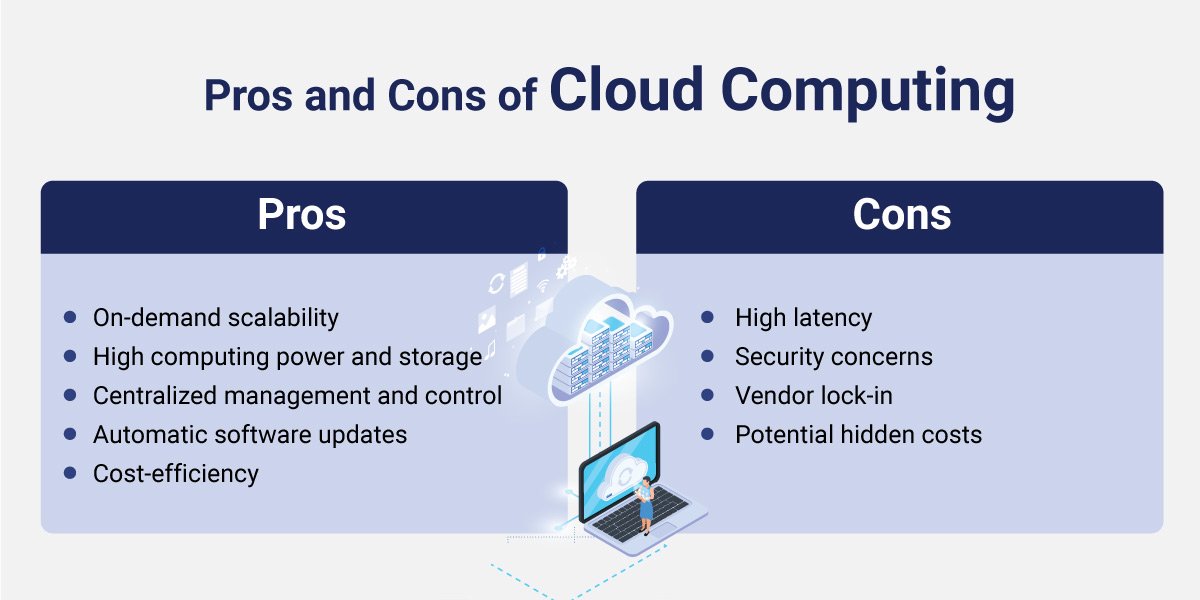
Cloud mining has become increasingly popular in 2026, offering a convenient alternative to traditional hardware-based mining. In cloud mining, you rent mining power from a remote provider, eliminating the need to purchase, maintain, or cool hardware. This approach is particularly appealing to beginners, people with limited technical expertise, or those who lack access to affordable electricity. Cloud mining allows users to participate in cryptocurrency mining from anywhere in the world, making it a flexible and hands-off option.
How cloud mining works is relatively simple. A provider owns and maintains mining hardware in a data center. Customers purchase contracts that allocate a certain amount of hash power for a set period, usually with predefined costs and fees. The provider handles all the technical aspects, including setup, maintenance, and electricity costs. The mining rewards are then distributed among participants based on the amount of hash power they rented. This model removes the complexity of building and managing a rig but comes with trade-offs.
Top cloud mining providers in 2026 include companies like Genesis Mining, Hashflare, and Bitdeer. These platforms have been around for years and offer reputable contracts with transparency in payouts and fees. However, it’s crucial to carefully evaluate any provider before investing, as the cloud mining industry has been plagued with scams and low-quality services. Look for providers with verifiable mining operations, positive user reviews, and clear terms regarding fees, contract length, and payout structures.
Despite its convenience, cloud mining comes with risks and limitations. First, profitability is heavily influenced by contract fees, electricity costs, and cryptocurrency market fluctuations. In some cases, earnings may be lower than the cost of the contract, especially if the coin’s price drops or mining difficulty increases. Additionally, you have no control over hardware efficiency, cooling, or energy sources, which can impact returns. Cloud mining is also vulnerable to provider mismanagement or even fraud, making due diligence essential before committing funds.
On the positive side, cloud mining is low maintenance, requires no technical skills, and allows miners to test strategies without large upfront investments. Some miners even combine cloud mining with personal rigs to diversify their mining portfolio. While it won’t replace large-scale hardware operations for professional miners, it remains a viable strategy for small-scale miners or those looking to gradually enter the cryptocurrency space. Proper planning and contract evaluation can make cloud mining a profitable and low-risk addition to your mining strategy in 2026.

Markazf.xyz is a dedicated crypto education platform, helping beginners and experienced users understand blockchain, cryptocurrencies, trading, and DeFi. Our goal is to provide clear guides, tutorials, and the latest updates to make crypto learning simple, safe, and effective.