
Introduction: Why DeFi is Revolutionizing Finance
Imagine a financial world without banks, brokers, or middlemen. A world where anyone, anywhere, can borrow, lend, trade, or earn interest on their money directly. Welcome to Decentralized Finance (DeFi). Unlike traditional finance, DeFi operates on blockchain technology, enabling peer-to-peer financial services that are automated, transparent, and accessible globally.
At its core, DeFi is about removing intermediaries and giving financial control back to the people. Through smart contracts, financial agreements are self-executing and cannot be tampered with. This automation reduces costs, eliminates human errors, and ensures faster, borderless transactions. For someone tired of bank fees or slow transfers, DeFi feels like stepping into the future of finance.
The rise of DeFi has been fueled by its incredible potential for financial growth. Users can stake cryptocurrencies, provide liquidity, or participate in yield farming to earn high returns. Unlike banks, where interest rates are often minimal, DeFi offers competitive and sometimes exponential rewards. Moreover, its open-source nature allows developers to innovate endlessly, creating new protocols, lending platforms, and decentralized exchanges.
However, DeFi is not risk-free. Market volatility, smart contract bugs, and emerging regulatory frameworks can affect investors. Despite these challenges, DeFi’s growth trajectory indicates a strong shift towards a more inclusive, transparent, and efficient financial ecosystem.
In this guide, we will explore DeFi from the ground up: understanding its basics, key components, popular platforms, investment strategies, risks, and the future of decentralized finance. By the end, you’ll have the knowledge to confidently navigate the DeFi landscape, whether you are a beginner or an experienced investor.
Understanding the Basics of DeFi
Before diving into investments or platforms, it’s essential to grasp the core concepts of DeFi. At its foundation, DeFi is built on blockchain technology, smart contracts, and peer-to-peer interactions, which together make financial services more transparent, accessible, and secure.
Key Concepts in Decentralized Finance

- Blockchain Technology:
Blockchain is the backbone of DeFi. Unlike traditional centralized systems where data is stored in a single location, blockchains are distributed across multiple nodes worldwide. Every transaction is recorded in a transparent and immutable ledger. This ensures trust and eliminates the need for intermediaries like banks or brokers. For example, when you lend crypto via a DeFi platform, your transaction is recorded on the blockchain, preventing fraud and providing a clear history of activity. - Smart Contracts:
Smart contracts are self-executing programs that automatically enforce agreements. Imagine lending someone money—traditionally, a bank ensures repayment. In DeFi, a smart contract takes over this role. If the borrower meets conditions (like depositing collateral), the contract releases the funds. If not, the collateral is liquidated. This automation reduces human error, ensures transparency, and speeds up transactions. - Peer-to-Peer Transactions:
DeFi thrives on removing intermediaries. Transactions happen directly between users, which reduces fees and allows borderless finance. Whether it’s borrowing, lending, or trading, the system doesn’t rely on a central authority, meaning anyone, anywhere, can participate—no ID checks or bank accounts required.
Difference Between DeFi and Traditional Finance
| Feature | Traditional Finance | DeFi |
|---|---|---|
| Control | Banks and institutions | Users via wallets |
| Accessibility | Restricted, requires ID | Open to anyone with internet |
| Transparency | Limited, opaque | Public blockchain ledger |
| Speed of Transactions | Hours or days | Minutes or seconds |
| Fees | Often high | Low due to automation |
In essence, DeFi is faster, cheaper, and more inclusive than traditional finance. It allows users to control their money, earn returns, and participate in financial markets without permission.
Understanding these basics sets the stage for exploring core DeFi components like exchanges, lending platforms, and yield farming—the tools that power this revolutionary ecosystem.
Core Components of DeFi
Decentralized Finance isn’t just a single platform—it’s an entire ecosystem of protocols, applications, and services. Understanding the core components will help you navigate the DeFi landscape with confidence and clarity.
Decentralized Exchanges (DEXs)
Decentralized exchanges are the backbone of DeFi trading. Unlike centralized exchanges such as Coinbase or Binance, which act as intermediaries holding your funds, DEXs allow peer-to-peer trading directly from your wallet. Smart contracts execute trades automatically, removing middlemen and reducing fees.
DEXs use liquidity pools, where users deposit pairs of tokens (like ETH and USDT) to facilitate trading. In return, liquidity providers earn a portion of the trading fees—a process called liquidity mining. Popular DEXs include Uniswap, SushiSwap, and PancakeSwap, each offering unique incentives and lower fees compared to traditional exchanges.
What makes DEXs revolutionary is permissionless access. Anyone can trade tokens or provide liquidity without creating an account or going through identity verification. This feature opens global markets to individuals who are underserved by banks or unable to access traditional financial services.
Lending and Borrowing Platforms
One of DeFi’s most powerful features is the ability to lend or borrow cryptocurrencies without intermediaries. Platforms like Aave, Compound, and MakerDAO allow users to deposit crypto into lending pools and earn interest. Borrowers can take out loans by providing collateral in another crypto asset, usually over-collateralized to minimize risk for lenders.
Unlike traditional banks, interest rates in DeFi are dynamic and algorithmically determined, reflecting supply and demand. This system is highly efficient because it adjusts in real-time and doesn’t require human oversight. Users benefit from faster approvals, global accessibility, and significantly higher yields than typical bank accounts.
Stablecoins and Their Role in DeFi
Stablecoins, such as USDC, USDT, and DAI, are cryptocurrencies pegged to traditional assets like the US dollar. They play a crucial role in DeFi by providing stability amid crypto volatility. Users can earn interest, provide liquidity, or use stablecoins as collateral without worrying about sudden price swings, making them essential for both beginners and seasoned investors.
Yield Farming and Liquidity Mining
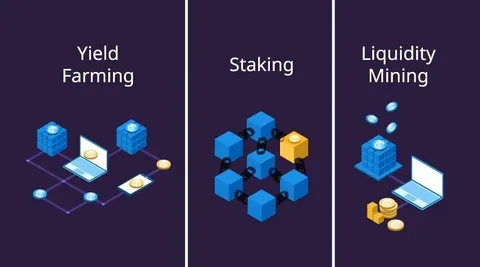
Yield farming has become synonymous with DeFi innovation. It involves moving your crypto across different platforms to maximize returns. By providing liquidity or staking assets, users can earn rewards in the form of additional tokens. While the potential returns are high, so are the risks, including impermanent loss and smart contract vulnerabilities.
Governance Tokens and Decentralized Voting
Many DeFi platforms issue governance tokens that allow holders to vote on protocol changes, such as fee structures, new features, or upgrades. Examples include UNI (Uniswap) and COMP (Compound). Governance tokens not only give users a voice but also incentivize active participation, aligning community interests with the platform’s success.
In essence, these components work together to create a robust, decentralized financial ecosystem, giving users unprecedented control over their assets and financial opportunities.
Popular DeFi Platforms and Ecosystems
Now that we understand the core components of DeFi, it’s time to explore the platforms and ecosystems that make decentralized finance possible. Different blockchains host distinct DeFi ecosystems, each with its own strengths, weaknesses, and communities.
Ethereum-Based DeFi Projects
Ethereum remains the pioneer of DeFi. Its robust smart contract capabilities and large developer community make it the platform of choice for most DeFi applications. Popular Ethereum-based platforms include:
- Uniswap: A leading decentralized exchange (DEX) that allows users to trade ERC-20 tokens directly from wallets.
- Aave: A lending and borrowing protocol that enables users to deposit crypto to earn interest or borrow against collateral.
- Compound: Similar to Aave, it provides algorithmically determined interest rates based on market supply and demand.
Ethereum’s DeFi ecosystem has set the standard, but it comes with challenges. High gas fees during peak network activity can make small transactions costly, prompting users to explore alternatives.
Binance Smart Chain (BSC) DeFi Ecosystem
Binance Smart Chain emerged as a faster and cheaper alternative to Ethereum. Its compatibility with the Ethereum Virtual Machine (EVM) allows developers to migrate applications easily. Key BSC DeFi platforms include:
- PancakeSwap: A popular DEX with lower fees than Ethereum’s Uniswap, offering yield farming and lottery features.
- Venus Protocol: A lending platform enabling users to borrow and lend crypto with collateralized stablecoins.
- BakerySwap: Combines NFT features with DeFi, allowing users to trade tokens, stake, and earn rewards.
BSC’s popularity comes from speed and affordability, making it ideal for beginners or those making smaller trades.
Solana and Layer 2 Solutions
As DeFi grows, scalability becomes critical. Solana and Ethereum Layer 2 solutions like Arbitrum and Polygon offer faster transactions and lower fees. Solana-based DeFi projects include:
- Serum: A high-speed DEX with low transaction costs.
- Raydium: Combines liquidity pools and order books for efficient trading.
Layer 2 solutions help Ethereum scale by processing transactions off-chain while maintaining security. Platforms like Optimism and Polygon allow users to enjoy Ethereum’s ecosystem benefits without paying exorbitant gas fees.
Understanding these ecosystems is essential for choosing the right platform, managing costs, and exploring investment opportunities effectively. Each blockchain has unique advantages, and your choice depends on factors like fees, speed, supported tokens, and security.
DeFi Wallets and Security
One of the most critical aspects of participating in DeFi is wallet management and security. Unlike traditional finance, DeFi users are fully responsible for their funds. There is no bank to recover lost assets if a private key is compromised. Understanding wallets and security practices is essential for anyone entering the DeFi space.
Types of DeFi Wallets
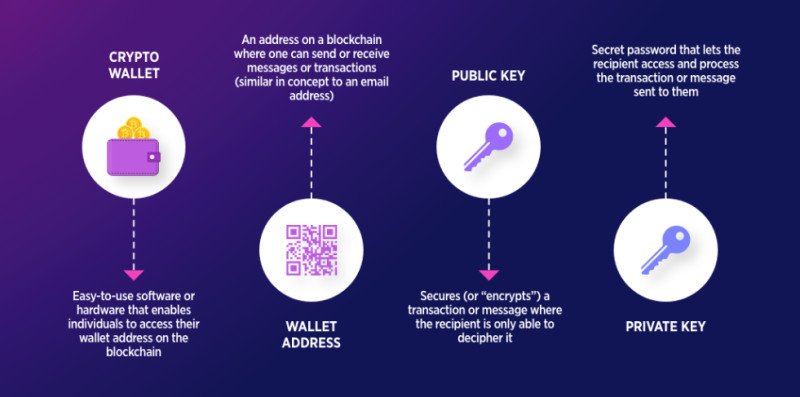
- Hot Wallets
Hot wallets are connected to the internet, making them convenient for frequent transactions. Examples include MetaMask, Trust Wallet, and Coinbase Wallet. They allow seamless access to DEXs, lending platforms, and other DeFi services. The convenience comes at a cost—hot wallets are more vulnerable to hacking. - Cold Wallets
Cold wallets are offline storage devices like Ledger or Trezor hardware wallets. They are immune to online attacks and are considered the safest way to store large amounts of crypto. While less convenient for active trading, they are ideal for long-term investors. - Multi-Signature Wallets
Some wallets require multiple private keys to authorize transactions. This adds an extra layer of security and is often used by DeFi projects or high-net-worth investors to mitigate single-point-of-failure risks.
Security Best Practices
Security in DeFi isn’t just about wallets. Users must adopt best practices to protect their assets:
- Never share private keys or seed phrases. These are the keys to your funds.
- Enable two-factor authentication (2FA) wherever possible.
- Verify smart contracts and platforms before interacting. Avoid suspicious links or unverified projects.
- Use hardware wallets for significant holdings rather than keeping everything in a hot wallet.
- Regularly update software and stay aware of phishing attempts.
Risks of DeFi and How to Mitigate Them
Even with precautions, DeFi carries risks:
- Smart Contract Vulnerabilities: Bugs can be exploited, causing loss of funds. Stick to audited platforms.
- Impermanent Loss: Providing liquidity in volatile markets can reduce the value of your assets temporarily.
- Rug Pulls: Some DeFi projects disappear with investors’ funds. Research projects, check community activity, and avoid unrealistic returns.
By combining secure wallets with cautious platform selection and sound security habits, users can enjoy DeFi’s benefits while minimizing risks. Security is the foundation of successful DeFi participation, and no shortcut can replace careful management.
How to Get Started With DeFi
Getting started with DeFi can feel overwhelming, especially for beginners. But with a clear roadmap, anyone can safely enter the decentralized finance ecosystem. This section will guide you step-by-step on how to begin your DeFi journey.
Step 1: Setting Up a Wallet
The first step is to create a cryptocurrency wallet, which acts as your gateway to DeFi. Popular choices include MetaMask, Trust Wallet, and Coinbase Wallet. These wallets allow you to store cryptocurrencies, connect to decentralized exchanges (DEXs), and interact with various DeFi protocols.
After installing a wallet, it’s crucial to secure your private key and seed phrase. Never share these with anyone. Losing access to your wallet can result in permanent loss of funds, as there’s no central authority to recover them. For larger investments, consider using a hardware wallet like Ledger or Trezor for added security.
Step 2: Funding Your Wallet
Once your wallet is ready, you need to fund it with cryptocurrency. Most DeFi platforms operate on Ethereum, Binance Smart Chain, or Solana, so you’ll need a compatible token like ETH, BNB, or SOL. You can purchase crypto from centralized exchanges and transfer it to your wallet.
Remember to start small, especially if you’re new. It’s better to test transactions with a small amount before committing larger sums. This approach helps you become comfortable with DeFi mechanics while minimizing risk.
Step 3: Connecting to a DeFi Platform
With a funded wallet, you can now connect to DeFi protocols. Most platforms support wallet integration through browser extensions or mobile apps. For example, to trade tokens on Uniswap, simply connect your MetaMask wallet, select the token pair, and execute the swap.
Always double-check the URL and legitimacy of the platform. There are scams that mimic legitimate DeFi sites. Ensuring you interact with the official website can prevent costly mistakes.
Step 4: Choosing an Investment Strategy
Once connected, you need to decide how you want to participate in DeFi. Popular strategies include:
- Lending and Borrowing: Deposit assets in lending pools to earn interest or borrow against collateral.
- Yield Farming: Move assets between protocols to maximize returns.
- Staking: Lock up tokens to earn rewards and support network security.
Each strategy comes with different levels of risk and reward, so it’s important to research thoroughly. Beginners are often advised to start with stablecoins or staking before exploring complex yield farming tactics.
Step 5: Monitoring and Managing Your Investments
DeFi requires active management. Prices fluctuate, interest rates change, and impermanent loss can affect your earnings. Use tracking tools like Zapper, Debank, or DappRadar to monitor your assets across multiple platforms.
Remember, DeFi is highly dynamic, so staying informed, understanding risks, and adjusting strategies regularly is key to long-term success.
By following these steps, beginners can confidently enter DeFi, manage their funds safely, and gradually explore more advanced opportunities.
DeFi Strategies for Investors: Maximizing Returns Safely
Once you are familiar with DeFi platforms and have set up your wallet, the next crucial step is choosing the right investment strategies. DeFi offers a wide range of ways to grow your crypto holdings, but with high rewards come high risks. Understanding these strategies is essential to maximize profits while protecting your capital.
1. Staking Cryptocurrencies
Staking is one of the most popular DeFi strategies. Essentially, it involves locking up your cryptocurrency in a blockchain network to support operations such as transaction validation, in return for rewards. For example, Ethereum 2.0 allows users to stake ETH to secure the network and earn interest.
Why staking is attractive:
- Passive income: Your crypto earns rewards automatically, often higher than traditional bank interest rates.
- Supports the network: By staking, you contribute to blockchain security and decentralization.
- Predictable rewards: Unlike yield farming, staking rewards are generally stable and less volatile.
Risks to consider:
- Locked funds: Some protocols lock your crypto for months, meaning you cannot access your funds immediately.
- Network slashing: In some blockchains, bad behavior or downtime can result in a small penalty, reducing rewards.
Staking is ideal for long-term investors who want steady returns with minimal active management.
2. Liquidity Provision
Liquidity provision is more complex but can yield substantial profits. It involves depositing assets into a liquidity pool on a DEX like Uniswap or PancakeSwap. These pools facilitate token swaps, and liquidity providers earn a portion of transaction fees.
Example: You provide 1 ETH and $3,000 USDT into a liquidity pool. Every time someone trades ETH/USDT, you earn a fraction of the fees proportional to your contribution.
Pros:
- High earning potential during periods of high trading volume.
- Can receive additional incentives through liquidity mining programs.
Cons:
- Impermanent loss: When token prices fluctuate significantly, you may earn less than holding the tokens individually.
- Smart contract risks: Vulnerabilities can lead to hacking or loss of funds.
Liquidity provision is suited for investors willing to take moderate risk and actively monitor market trends.
3. Yield Aggregators
Yield aggregators are platforms that optimize your DeFi earnings automatically. They move your assets across protocols to maximize returns, often reinvesting profits automatically. Examples include Yearn.finance and Autofarm.
Advantages:
- Automation reduces the need to manually manage positions.
- Compounds rewards over time, maximizing returns.
- Can diversify investments across multiple protocols to reduce risk.
Drawbacks:
- Fees for using aggregator services.
- Dependence on the aggregator’s smart contracts; vulnerabilities can exist.
For investors seeking hands-off DeFi exposure, yield aggregators are a smart choice.
4. Risk Management in DeFi Investments
DeFi is exciting but volatile, so risk management is crucial. Strategies include:
- Diversification: Don’t put all assets in one platform or token. Spread investments across multiple protocols.
- Start small: Especially for high-risk strategies like yield farming. Test with small amounts.
- Use stablecoins: Include USDC, USDT, or DAI to hedge against volatility.
- Regular monitoring: Crypto markets move quickly; track performance and adjust as needed.
- Audit platforms: Stick to projects with strong reputations and verified smart contracts.
By combining these strategies with careful risk management, investors can maximize DeFi returns while protecting capital, making DeFi a powerful tool for wealth creation.
Regulatory Landscape of DeFi
Decentralized Finance has disrupted traditional financial systems, but with innovation comes regulatory scrutiny. Governments and regulators worldwide are trying to understand, monitor, and in some cases control DeFi activity. The regulatory landscape is complex because DeFi operates without centralized intermediaries, making traditional regulatory approaches challenging.
Current Regulations Around the World
- United States:
In the U.S., agencies like the Securities and Exchange Commission (SEC) and the Commodity Futures Trading Commission (CFTC) are exploring how DeFi fits into existing securities and commodities laws. While DeFi protocols themselves aren’t directly regulated, token offerings and yield programs could fall under securities regulations. This means some DeFi platforms might face scrutiny if they’re deemed to offer unregistered financial products. - European Union:
The EU is moving toward a more structured framework. The Markets in Crypto-Assets Regulation (MiCA) aims to bring all crypto assets, including stablecoins and DeFi products, under clear regulatory guidelines. This could provide legal certainty for investors but may also limit permissionless innovation if rules are too strict. - Asia:
Countries like Singapore and Japan have embraced crypto innovation but impose strict licensing rules. Conversely, nations like China have banned crypto trading entirely, which indirectly affects DeFi usage. The decentralized nature of DeFi allows global participation, but users in restrictive countries must proceed with caution.
Challenges Regulators Face
- Decentralization: Unlike banks, DeFi protocols often have no central entity to regulate. Smart contracts operate autonomously, making enforcement difficult.
- Cross-border nature: Transactions happen globally, beyond any single nation’s jurisdiction.
- Anonymity: Users can interact with DeFi protocols using wallets without revealing personal information, which complicates compliance with KYC (Know Your Customer) and AML (Anti-Money Laundering) regulations.
- Rapid innovation: DeFi evolves faster than legislation, leaving regulators constantly playing catch-up.
Future of DeFi Regulation
Despite challenges, regulation is likely to increase over the next few years. We may see:
- Self-regulatory organizations within the DeFi community to create voluntary standards.
- Hybrid approaches where platforms implement optional KYC for high-value transactions.
- Global cooperation among regulators to monitor cross-border DeFi activity.
Investors should be aware that while DeFi promises freedom, regulatory changes could affect platforms, yields, and accessibility. Understanding the legal environment is crucial for anyone planning long-term participation.
Risks and Challenges in DeFi
DeFi’s promise of high yields and accessibility comes with significant risks. Unlike traditional finance, there is no central authority to bail out investors. Awareness and caution are key to avoiding losses.
1. Smart Contract Vulnerabilities
Smart contracts automate DeFi operations, but they are code, not foolproof. Bugs or vulnerabilities can lead to exploits. For instance:
- The DAO hack (2016) resulted in $60 million loss due to a smart contract flaw.
- Recent flash loan attacks have drained millions from unsuspecting DeFi protocols.
Auditing and using reputable platforms mitigates risk but cannot eliminate it entirely.
2. Market Volatility
Crypto prices can swing drastically. Users providing liquidity or lending volatile assets may see returns wiped out if token values drop suddenly. Even stablecoins can lose their peg in extreme market conditions. Risk management and diversification are essential.
3. Impermanent Loss
When providing liquidity, token price fluctuations can result in impermanent loss—a situation where your deposited assets are worth less than if you had simply held them. While liquidity fees can offset some losses, investors must understand the math behind pools before participating.
4. Scams and Rug Pulls
The DeFi space is rife with fraudulent projects. Rug pulls occur when developers drain a liquidity pool and vanish. Signs of scams include:
- Anonymous teams without credible track records
- Unrealistically high yields
- Lack of smart contract audits
Conducting due diligence, using reputable projects, and avoiding “too good to be true” returns are critical to avoid scams.
5. Regulatory and Legal Risks
As regulators clamp down, some DeFi projects may face legal issues, resulting in frozen funds or platform shutdowns. Being aware of jurisdictional risks is crucial, especially for high-value investments.
In summary, DeFi offers tremendous opportunity, but it’s not for the faint-hearted. A combination of research, risk management, and cautious participation is the key to navigating this innovative financial ecosystem safely.
Markazf.xyz is a dedicated crypto education platform, helping beginners and experienced users understand blockchain, cryptocurrencies, trading, and DeFi. Our goal is to provide clear guides, tutorials, and the latest updates to make crypto learning simple, safe, and effective.