
Bitcoin Investment: The Ultimate 2026 Guide
Introduction
Bitcoin has taken the world by storm, transforming from a mysterious digital currency into a global investment phenomenon. Whether you’re a seasoned investor or a curious beginner, understanding Bitcoin investment is essential in today’s financial landscape. Unlike traditional currencies, Bitcoin is decentralized—meaning no government or central bank controls it. This independence has made it a popular alternative to conventional financial assets like stocks, bonds, and real estate.
The allure of Bitcoin lies in its unique combination of scarcity and digital convenience. Only 21 million Bitcoins will ever exist, which creates a sense of rarity similar to gold. Over the last decade, Bitcoin has shown incredible growth potential, rewarding early adopters with astronomical returns. Yet, this high-reward environment comes with significant volatility. Prices can swing dramatically in hours, making risk management crucial for any investor.
Bitcoin investment isn’t just about speculation. It’s part of a broader financial trend where individuals are seeking alternatives to traditional banking systems. With institutions like Tesla, MicroStrategy, and even some countries investing in Bitcoin, mainstream adoption is no longer a distant dream—it’s happening right now. For investors, this creates both opportunity and responsibility: opportunity to grow wealth and responsibility to stay informed and cautious. If you’ve been wondering how to get started, what strategies work best, and how to avoid common pitfalls, this guide will walk you through everything. From understanding the fundamentals of Bitcoin to exploring advanced investment strategies and future trends, we’ll cover all you need to make informed decisions in 2026 and beyond.
Understanding Bitcoin
Bitcoin, at its core, is a decentralized digital currency that operates without a central authority. It was created in 2009 by an anonymous person (or group) using the pseudonym Satoshi Nakamoto. Unlike traditional money issued by governments, Bitcoin exists entirely online, secured by cryptography and maintained through a distributed ledger called the blockchain.
What is Bitcoin?
Bitcoin is essentially digital money that can be sent and received across the globe without intermediaries like banks. Each Bitcoin transaction is recorded on a public ledger, which is immutable—once recorded, it cannot be altered or deleted. This transparency ensures trust, as every transaction is verifiable. Moreover, Bitcoin is scarce; only 21 million coins will ever exist, making it a deflationary asset by design.
Unlike traditional currencies, Bitcoin is not tied to any economy, central bank, or government policy. This independence has drawn investors looking for a hedge against inflation or currency devaluation. Its decentralized nature means that no single entity can manipulate its supply or value, giving users a sense of financial autonomy.
How Bitcoin Works: Blockchain Technology Explained
The magic behind Bitcoin is the blockchain—a decentralized digital ledger that records every transaction across a network of computers, called nodes. Each “block” contains a batch of verified transactions. Once a block is completed, it is added to the chain in chronological order. This chain is visible to everyone, making the system transparent and highly secure.
Mining is the process by which new Bitcoins are created and transactions are verified. Miners use computational power to solve complex mathematical problems. When a problem is solved, the block is added to the blockchain, and miners are rewarded with newly minted Bitcoins. This mechanism not only ensures security but also controls the supply of new coins.
The blockchain is resistant to hacking because altering a single block would require changing every subsequent block on thousands of computers simultaneously—a near-impossible task. This technology has applications beyond Bitcoin, including supply chain management, secure voting systems, and decentralized finance (DeFi).
The Role of Miners in the Bitcoin Ecosystem
Bitcoin miners are essential to the network. They validate transactions, secure the blockchain, and maintain the decentralized nature of the system. Miners invest in powerful computers and electricity to perform this work. In return, they earn Bitcoin rewards and transaction fees. Over time, the mining rewards decrease due to the halving process, which occurs approximately every four years, reducing the number of new Bitcoins generated.
Mining also ensures that Bitcoin remains scarce. As supply diminishes, scarcity can drive value, assuming demand remains strong. However, mining is highly competitive, and energy-intensive, and can be affected by regulatory policies, which makes it an important factor to consider in Bitcoin’s long-term sustainability.
Understanding these fundamentals is crucial before investing. Bitcoin isn’t just a digital token—it’s a revolutionary technology combining scarcity, decentralization, and security. Knowing how it works can help investors make informed decisions and navigate the risks and rewards effectively.
Why People Invest in Bitcoin
Bitcoin has become one of the most talked-about investment assets in the world, and for good reason. Its unique combination of scarcity, decentralization, and high potential returns attracts investors from all walks of life. Whether you are a beginner seeking to diversify your portfolio or an experienced investor hunting for high-growth assets, understanding why people invest in Bitcoin is essential before diving in.
Potential for High Returns
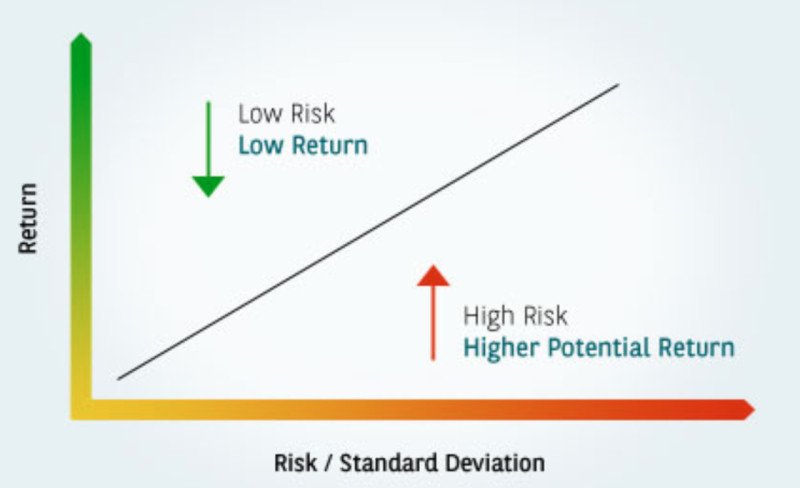
One of the biggest draws of Bitcoin is its potential for massive financial gains. Since its inception, Bitcoin has experienced dramatic price increases, rewarding early adopters with life-changing returns. For example, someone who bought Bitcoin in 2010 for a few cents per coin could have seen their investment grow to millions of dollars within a decade. While past performance does not guarantee future results, the trend of significant growth has made Bitcoin an attractive speculative asset.
Unlike traditional investments such as bonds or savings accounts, which offer modest and predictable returns, Bitcoin provides a chance for exponential growth. The high-risk, high-reward nature of the asset appeals to those willing to tolerate volatility for the potential of substantial profits. This speculative appeal has also created a strong community of enthusiasts who believe in Bitcoin’s long-term potential.
Hedge Against Inflation
In recent years, global economic uncertainty and inflation have driven more investors toward Bitcoin. Fiat currencies like the US dollar or euro can lose value over time due to inflationary pressures caused by central banks printing money. Bitcoin, with its fixed supply of 21 million coins, offers a unique hedge against this risk. Many investors refer to Bitcoin as “digital gold” because it functions similarly to precious metals in preserving value over time.
By holding Bitcoin, investors can protect their wealth from the eroding effects of inflation, particularly in countries experiencing economic instability. Unlike traditional assets, Bitcoin’s decentralized nature ensures that it cannot be devalued by government policies or excessive money printing. This quality makes it an appealing addition to a diversified investment portfolio.
Growing Adoption by Institutions and Mainstream Investors
Another reason people invest in Bitcoin is the growing acceptance and adoption by major institutions. Companies like Tesla, MicroStrategy, and Square have made headlines for purchasing significant amounts of Bitcoin as part of their treasury strategy. Even banks and investment firms are beginning to offer Bitcoin-related financial products to clients, signaling its shift from niche to mainstream finance.
Institutional involvement often brings credibility and stability to the market. It also opens the door for new investment opportunities, such as Bitcoin exchange-traded funds (ETFs) and futures contracts. As adoption continues to expand, more investors are likely to see Bitcoin not just as a speculative asset, but as a legitimate component of a long-term financial strategy.
Investing in Bitcoin today isn’t just about chasing profits; it’s about understanding a revolutionary financial technology, diversifying assets, and participating in a global economic shift. The combination of high potential returns, inflation protection, and growing legitimacy makes Bitcoin a compelling option for both novice and experienced investors.
Markazf.xyz is a dedicated crypto education platform, helping beginners and experienced users understand blockchain, cryptocurrencies, trading, and DeFi. Our goal is to provide clear guides, tutorials, and the latest updates to make crypto learning simple, safe, and effective.