
Altcoins vs Bitcoin: What Beginners Need to Know
Cryptocurrencies have taken the financial world by storm, but for beginners, the world of digital coins can feel like an endless maze. At the heart of this universe is Bitcoin, the pioneer of cryptocurrencies, often called digital gold. Then there’s a vast universe of altcoins—alternative coins to Bitcoin—that promise different benefits, use cases, and opportunities. Understanding the difference between Bitcoin and altcoins is crucial before diving into investments or exploring Decentralized Finance (DeFi).
In this guide, we’ll break down everything beginners need to know: from the basics of Bitcoin and altcoins to their unique features, risks, potential rewards, and how they play a role in DeFi. By the end, you’ll be equipped with the knowledge to make smarter decisions in the crypto space.
What is Bitcoin? A Beginner’s Overview
Bitcoin is the first cryptocurrency ever created, launched in 2009 by the mysterious figure known as Satoshi Nakamoto. It’s a peer-to-peer digital currency that allows for secure, borderless transactions without the need for intermediaries like banks or governments.
Key features of Bitcoin include:
- Decentralization: Bitcoin operates on a decentralized ledger called the blockchain, meaning no single entity controls it.
- Limited Supply: There will only ever be 21 million bitcoins, making it scarce and often compared to gold in terms of value storage.
- Security: Bitcoin transactions are highly secure due to cryptography and the network of miners that validate transactions.
- Transparency: All transactions are publicly recorded on the blockchain, making them transparent yet pseudonymous.
Bitcoin’s primary purpose is digital money—a store of value and a medium of exchange. Its scarcity, security, and decentralization have earned it the nickname “digital gold.” However, Bitcoin’s network is relatively slow compared to some altcoins, and transaction fees can be high during periods of heavy use.
Understanding Bitcoin is essential because it serves as the benchmark for most altcoins. Many altcoins are created to improve on Bitcoin’s limitations or to offer unique functions that Bitcoin doesn’t provide.
What Are Altcoins? Exploring the Alternatives
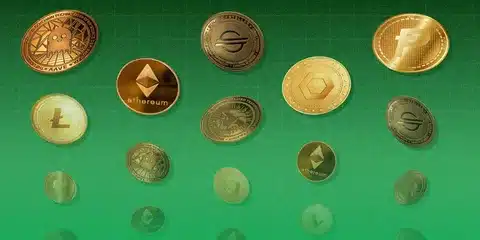
Altcoins are any cryptocurrency other than Bitcoin. The term comes from “alternative coins,” and today there are thousands of altcoins, each with unique purposes and features. Some are designed for faster transactions, some for privacy, and others to power smart contracts and decentralized applications.
Popular examples include:
- Ethereum (ETH): Powers smart contracts and DeFi platforms.
- Ripple (XRP): Focused on fast, low-cost cross-border payments.
- Litecoin (LTC): Often called silver to Bitcoin’s gold, faster and cheaper transactions.
- Cardano (ADA) & Solana (SOL): Smart contract platforms focusing on scalability.
Altcoins can be categorized into several types:
- Payment Coins: Designed to be used as currency (e.g., Litecoin, Dash).
- Utility Tokens: Power platforms and applications (e.g., Ethereum, Binance Coin).
- Stablecoins: Pegged to traditional assets like the US dollar (e.g., USDT, USDC).
- DeFi Coins: Used in decentralized finance applications (e.g., Aave, Uniswap).
- Privacy Coins: Offer anonymous transactions (e.g., Monero, Zcash).
The main appeal of altcoins is their potential for higher returns, but they often come with higher risk compared to Bitcoin. Many altcoins are highly volatile and have smaller market caps, making them more susceptible to market swings and speculative trading.
Bitcoin vs Altcoins: Key Differences for Beginners
At first glance, Bitcoin and altcoins may seem similar—they’re both digital currencies—but there are fundamental differences beginners need to understand.
| Feature | Bitcoin | Altcoins |
|---|---|---|
| Purpose | Store of value, digital money | Varies: smart contracts, privacy, payments |
| Market Cap | Largest | Smaller, more volatile |
| Security | Highly secure, proven | Varies, less tested than Bitcoin |
| Decentralization | Fully decentralized | Some are centralized |
| Transaction Speed | Slower, high fees sometimes | Often faster and cheaper |
| Innovation | Conservative, stable | Innovative, experimental |
Why this matters:
- Bitcoin is generally considered safer for beginners due to its established reputation and market dominance.
- Altcoins can offer bigger gains but also bigger losses. Beginners should understand the purpose and risks of each altcoin before investing.
Understanding Decentralized Finance (DeFi) and Its Role
Decentralized Finance, or DeFi, is a revolutionary concept that uses blockchain technology to recreate traditional financial systems—like lending, borrowing, and trading—without intermediaries.
Here’s why DeFi matters in the Bitcoin vs altcoin debate:
- Bitcoin’s Role in DeFi:
- Bitcoin can be used in DeFi platforms via wrapped tokens (e.g., WBTC), allowing users to lend, stake, or trade Bitcoin in DeFi ecosystems.
- However, Bitcoin itself does not natively support smart contracts, limiting its direct utility in DeFi.
- Altcoins Power DeFi:
- Many altcoins, especially Ethereum-based tokens, are central to DeFi. They enable lending platforms, decentralized exchanges (DEXs), yield farming, and liquidity pools.
- Examples: Uniswap (UNI), Aave (AAVE), Compound (COMP).
- Benefits of DeFi:
- Accessibility: Anyone with an internet connection can participate.
- Transparency: Smart contracts make transactions open and verifiable.
- Potential Returns: Yield farming and staking offer new ways to earn passive income.
- Risks in DeFi:
- Smart contract vulnerabilities
- Impermanent loss in liquidity pools
- High volatility of altcoins
DeFi has fueled much of the growth of altcoins, giving them real-world utility beyond simple trading. This is a major reason why understanding altcoins is critical for anyone exploring decentralized finance.
Advantages of Investing in Bitcoin
Bitcoin has earned its reputation as the king of cryptocurrencies, and there are several reasons why beginners often start here before exploring altcoins. First and foremost, Bitcoin is the most established and widely recognized cryptocurrency in the world. Its brand recognition and market dominance provide a sense of stability in the otherwise volatile crypto market.
One of the most significant advantages of Bitcoin is its store of value. Often referred to as “digital gold,” Bitcoin’s fixed supply of 21 million coins creates scarcity, which can protect it from inflationary pressures—unlike traditional fiat currencies. For investors who want a relatively safer exposure to crypto, Bitcoin is often considered a long-term hold, or HODL asset, because of this predictable supply and historical track record.
Another advantage is security. Bitcoin’s blockchain is the most secure network in the crypto space. The network’s decentralization, combined with thousands of miners validating transactions worldwide, makes it extremely resistant to attacks. While altcoins can also be secure, Bitcoin’s longevity has proven its resilience over more than a decade of operation.
Bitcoin also offers high liquidity. It’s easier to buy, sell, or trade Bitcoin on almost every crypto exchange globally. This liquidity makes it convenient for beginners, as large transactions can be executed without dramatically affecting the market price.
Finally, Bitcoin acts as an entry point to DeFi and broader crypto ecosystems. Through wrapped tokens like WBTC, Bitcoin can be integrated into DeFi applications, allowing holders to earn yields, stake, or participate in lending without selling their BTC. This combination of security, liquidity, and utility makes Bitcoin a natural starting point for new crypto investors.
Advantages of Investing in Altcoins
While Bitcoin dominates in stability and brand recognition, altcoins offer opportunities for higher returns and innovation. Many altcoins are built to address Bitcoin’s limitations, such as slow transaction speeds, high fees, or lack of smart contract capabilities.
For example, Ethereum, the second-largest cryptocurrency by market cap, enables smart contracts and decentralized applications (dApps), which have given rise to the explosive DeFi sector. Investors in Ethereum and other altcoins can participate in innovative projects, earn passive income through staking, and access new financial opportunities that Bitcoin alone cannot provide.
Altcoins also offer diversification. By investing in multiple altcoins, you spread your risk across different technologies, use cases, and market sectors. Some altcoins focus on payments (Litecoin, Dash), others on privacy (Monero, Zcash), and others on DeFi (Aave, Uniswap). This variety allows investors to tailor their portfolios according to risk tolerance and personal preferences.
Another key advantage is affordability. Many altcoins are priced lower per coin than Bitcoin, which can be psychologically appealing for beginners who want to own more units of a cryptocurrency without a huge upfront investment. While the price per coin isn’t the only measure of value, it can make investing feel more tangible and rewarding.
Finally, altcoins often offer faster transactions and lower fees, making them ideal for practical use in everyday transactions or DeFi applications. For example, Solana and Avalanche have networks capable of processing thousands of transactions per second with minimal fees, compared to Bitcoin’s slower and costlier network.
Risks of Bitcoin vs Altcoins
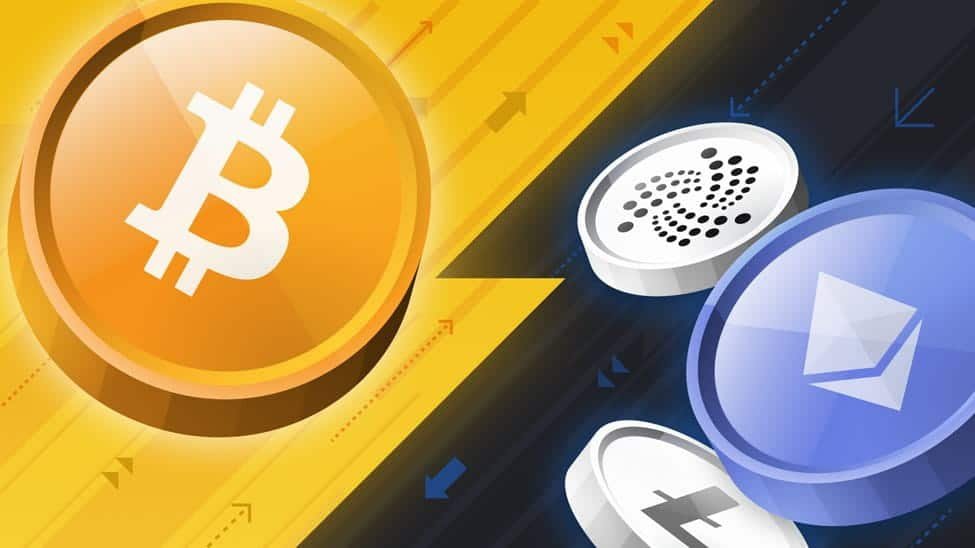
No investment comes without risks, and crypto is particularly volatile. Understanding the differences in risk profiles between Bitcoin and altcoins is critical for beginners.
Bitcoin Risks:
- Price Volatility: While more stable than most altcoins, Bitcoin can still experience dramatic swings in price.
- Regulatory Concerns: Governments around the world continue to debate Bitcoin regulation, which can affect its price and adoption.
- Technological Limitations: Bitcoin’s network is slower and less flexible than some altcoins, limiting its scalability.
Altcoin Risks:
- High Volatility: Many altcoins can swing 50–100% in price in a single day, which is risky for inexperienced investors.
- Project Failure: Thousands of altcoins exist, but not all have strong development teams or real-world utility. Some may fail completely.
- Liquidity Issues: Smaller altcoins may be harder to trade without affecting market price.
- Security Risks: Newer altcoins may have untested code, increasing the risk of hacks or smart contract exploits.
Beginners should carefully balance potential rewards with these risks. A common approach is to allocate a majority of crypto investments to Bitcoin for stability and a smaller portion to altcoins for growth potential.
How to Choose Between Bitcoin and Altcoins
Choosing between Bitcoin and altcoins depends on investment goals, risk tolerance, and knowledge. Here are some practical steps:
- Define Your Goals: Are you investing for long-term wealth preservation, quick gains, or active participation in DeFi?
- Understand the Technology: Learn what the coin does—its purpose, team, community, and adoption rate.
- Evaluate Market Cap: Larger market cap generally indicates stability, while smaller market cap offers higher risk/reward.
- Assess Liquidity: Make sure the coin is easily tradable and available on reputable exchanges.
- Consider Diversification: A balanced portfolio of Bitcoin for stability and selected altcoins for growth can mitigate risks.
Remember, beginners often benefit from starting with Bitcoin as a foundation and gradually exploring altcoins as they become more comfortable with crypto mechanics and DeFi opportunities.
Altcoins and DeFi Opportunities
Altcoins are the backbone of Decentralized Finance (DeFi). While Bitcoin primarily functions as a store of value, altcoins power the platforms, applications, and protocols that make DeFi possible. This distinction is crucial for beginners who want to understand not just what a coin is, but what it can do.
For example, Ethereum is the most widely used platform for DeFi. Its smart contract capabilities allow developers to create decentralized exchanges (DEXs), lending platforms, stablecoins, and yield farming protocols. Popular DeFi applications like Uniswap, Aave, and Compound rely heavily on Ethereum-based tokens, giving altcoin holders a variety of ways to earn passive income.
Other altcoins like Solana, Avalanche, and Cardano are also making waves in DeFi due to their fast transaction speeds and low fees. These coins enable a smoother user experience, allowing people to lend, borrow, stake, and trade without the delays or high costs associated with Bitcoin transactions.
The opportunities in DeFi extend beyond simple trading. With altcoins, users can:
- Stake coins to earn rewards for helping secure a network
- Provide liquidity in decentralized exchanges and earn a share of transaction fees
- Participate in governance to influence decisions in decentralized protocols
- Engage in yield farming to optimize returns across multiple platforms
However, beginners need to understand the risks in DeFi. Smart contracts, while revolutionary, are susceptible to bugs and hacks. Impermanent loss, liquidity shortages, and market volatility can all impact returns. Therefore, it’s essential to start with well-known platforms and invest only what you can afford to lose.
Altcoins are not just speculative tools—they’re functional assets that allow you to actively participate in the DeFi ecosystem. Unlike Bitcoin, which is mostly about holding value, altcoins offer utility, engagement, and earning potential, making them an exciting option for more hands-on crypto users.
Future Trends and Predictions for Bitcoin and Altcoins
The world of cryptocurrency evolves rapidly, and understanding trends can help beginners make informed decisions. Here’s what to expect:
- Bitcoin as Digital Gold: Bitcoin will likely continue to dominate as a store of value. Its scarcity and security make it appealing to both institutional and retail investors. Expect gradual adoption by large financial institutions and continued integration into payment systems worldwide.
- Altcoins Driving Innovation: Altcoins will remain the engine of innovation in blockchain technology. Smart contracts, DeFi platforms, and NFT ecosystems will continue to expand, providing new use cases that Bitcoin alone cannot offer.
- Increased DeFi Adoption: As DeFi matures, more altcoins will become integral to financial ecosystems. Platforms will focus on scalability, security, and cross-chain compatibility, increasing their accessibility and reliability for users.
- Regulatory Changes: Governments are increasingly interested in regulating crypto. Bitcoin may benefit from clear regulations due to its established status, while altcoins, especially new or experimental ones, may face more scrutiny.
- Institutional Interest: Investment firms and corporations are increasingly investing in both Bitcoin and major altcoins, validating the legitimacy of cryptocurrencies. This trend may stabilize the market somewhat, though volatility will remain.
Understanding these trends can help beginners balance risk and opportunity. Bitcoin offers stability, while altcoins offer innovation and high growth potential—both are essential components of a diversified crypto strategy.
Practical Tips for Beginners
Entering the crypto world can be overwhelming, but following these practical tips can help beginners navigate safely:
- Start Small: Begin with a small investment to understand market dynamics.
- Research Thoroughly: Learn about the coin, team, use case, and market trends. Avoid following hype blindly.
- Diversify Wisely: Allocate most holdings to Bitcoin for stability and a smaller portion to altcoins for growth.
- Use Secure Wallets: Hardware wallets are safest for long-term holding. Avoid leaving large amounts on exchanges.
- Stay Updated: Cryptocurrency and DeFi evolve fast—follow trusted sources and community updates.
- Be Patient: Crypto markets are volatile. Avoid panic selling during dips and consider long-term potential.
These steps may seem basic, but they are critical in protecting your investment and ensuring a smoother entry into the complex world of Bitcoin, altcoins, and DeFi.
Conclusion
Understanding the difference between Bitcoin and altcoins is crucial for anyone stepping into the cryptocurrency world. Bitcoin serves as a reliable store of value, a foundation for beginners, and a gateway to the crypto ecosystem. Altcoins, on the other hand, are versatile, innovative, and integral to DeFi, offering opportunities for growth, utility, and participation in decentralized finance.
For beginners, a balanced approach—investing in Bitcoin for stability and selected altcoins for growth—is often the safest strategy. Equally important is educating yourself about the technology, risks, and trends shaping the crypto world. By doing so, you’re not just investing—you’re equipping yourself to participate in a financial revolution powered by decentralized technology.
Cryptocurrency is no longer just a niche interest; it’s a rapidly growing financial ecosystem with endless possibilities. Understanding Bitcoin and altcoins is the first step toward exploring this exciting frontier responsibly and strategically.
FAQs
1. Is Bitcoin safer than altcoins?
Yes, Bitcoin is generally safer due to its large market cap, widespread adoption, and long track record. Altcoins are often more volatile and carry higher risk.
2. Can I use Bitcoin in DeFi?
Yes, through wrapped tokens like WBTC, Bitcoin can be used in DeFi applications, though it doesn’t natively support smart contracts.
3. Should beginners invest in altcoins?
Yes, but cautiously. Diversifying a small portion of your portfolio into altcoins allows exposure to innovation while managing risk.
4. What makes DeFi different from traditional finance?
DeFi operates without intermediaries, using blockchain technology and smart contracts to enable lending, borrowing, trading, and earning interest.
5. How do I start investing in cryptocurrencies safely?
Start small, use secure wallets, research projects thoroughly, diversify holdings, and stay updated with market and regulatory developments.
Real-World Use Cases of Bitcoin and Altcoins
One of the biggest questions beginners have is: “Are these cryptocurrencies just for trading, or do they have real-world value?” The answer is that both Bitcoin and altcoins have practical applications, but their uses differ.
Bitcoin Use Cases:
- Digital Gold / Store of Value: Bitcoin is widely used as a hedge against inflation, similar to gold. Many institutional investors and even governments have started holding Bitcoin as part of their reserves.
- Peer-to-Peer Transactions: Bitcoin allows secure, cross-border payments without intermediaries. For example, someone in Europe can send Bitcoin to Africa instantly, bypassing banks and high fees.
- Investment & Trading: Many investors use Bitcoin as a long-term asset in a portfolio, benefiting from price appreciation over time.
Altcoin Use Cases:
- Ethereum (ETH): Powers decentralized apps (dApps), smart contracts, and DeFi protocols. For instance, users can lend or borrow money on platforms like Aave or Compound using Ethereum.
- Ripple (XRP): Focused on banking and cross-border payments, reducing transfer times from days to seconds.
- Litecoin (LTC) & Bitcoin Cash (BCH): Faster, cheaper alternatives for everyday transactions.
- DeFi Tokens (UNI, SUSHI, AAVE): These altcoins allow users to participate in governance, yield farming, and liquidity provision.
- Privacy Coins (Monero, Zcash): Focused on anonymous transactions for individuals and businesses valuing privacy.
The takeaway for beginners is that Bitcoin’s use is primarily financial security and investment, while altcoins provide functional utility in new, decentralized financial ecosystems.
Advanced Strategies for Beginners in Cryptocurrency
If you want to go beyond simply holding Bitcoin and altcoins, there are strategies beginners can use safely to maximize returns while minimizing risk:
- Dollar-Cost Averaging (DCA):
- Invest a fixed amount regularly regardless of price fluctuations. This reduces the impact of volatility and removes emotional decision-making.
- Portfolio Diversification:
- A common approach is allocating 70% to Bitcoin, 20% to major altcoins, and 10% to smaller or experimental altcoins.
- Staking and Yield Farming:
- Some altcoins offer opportunities to stake or lend coins in DeFi platforms to earn passive income. Beginners can start with small amounts on reputable platforms.
- Using Reputable Exchanges and Wallets:
- Start with exchanges like Coinbase, Binance, or Kraken and consider hardware wallets like Ledger or Trezor for long-term holdings.
- Setting Realistic Goals:
- Avoid expecting 1000% gains overnight. Focus on learning, participating, and gradually increasing exposure.
These strategies make crypto investing less intimidating for beginners while introducing them to the broader DeFi ecosystem without excessive risk.
Common Mistakes Beginners Make with Bitcoin and Altcoins

Many beginners jump into crypto without proper preparation, leading to mistakes that could be avoided. Here’s what to watch out for:
- Chasing Hype: Buying coins solely because of trending news or social media hype can lead to significant losses.
- Neglecting Security: Leaving coins on exchanges without using secure wallets increases vulnerability to hacks.
- Ignoring Research: Not understanding the technology or purpose of an altcoin can result in poor investment decisions.
- Overexposure: Investing more than you can afford to lose is risky given crypto’s volatility.
- Neglecting Taxes and Regulations: Many beginners overlook tax obligations and legal considerations in their country.
By avoiding these mistakes and focusing on education, security, and measured risk, beginners can build confidence and long-term success in crypto.
How Altcoins Complement Bitcoin in a Crypto Portfolio
While Bitcoin provides stability and long-term security, altcoins can complement your portfolio in multiple ways:
- Higher Growth Potential: Altcoins are often smaller and more innovative than Bitcoin, which can translate to higher short-term returns.
- Access to DeFi & dApps: Many altcoins enable participation in decentralized platforms that Bitcoin alone cannot access.
- Hedging Against Market Changes: Some altcoins are designed for niche use cases like privacy, smart contracts, or payment solutions, offering alternative investment angles.
- Learning Opportunity: Experimenting with altcoins exposes beginners to the technology and trends shaping decentralized finance.
A balanced crypto portfolio often uses Bitcoin for core stability and a selection of altcoins for innovation and DeFi engagement, ensuring exposure to both growth and security.
The Role of Education and Community in Crypto Success
A unique aspect of the cryptocurrency ecosystem is the strong emphasis on education and community involvement. Beginners benefit greatly by participating in forums, online courses, and social communities:
- Online Communities: Platforms like Reddit, Twitter (crypto threads), and Discord offer insights, project updates, and debates about market trends.
- Educational Platforms: Websites like CoinGecko, Messari, and CoinMarketCap provide detailed data about coins, trends, and performance.
- Webinars & Tutorials: Many DeFi platforms host tutorials and webinars to help users understand staking, lending, and liquidity provision.
Being part of these communities helps beginners stay informed, avoid scams, and make smarter investment choices. In the fast-moving crypto world, knowledge is your most valuable asset
Markazf.xyz is a dedicated crypto education platform, helping beginners and experienced users understand blockchain, cryptocurrencies, trading, and DeFi. Our goal is to provide clear guides, tutorials, and the latest updates to make crypto learning simple, safe, and effective.