
What is Altcoin Investing?
Altcoin investing has quickly become one of the most talked-about opportunities in the world of cryptocurrency. If you’ve ever wondered why people seem to be making massive gains from digital coins that aren’t Bitcoin, you’re in the right place. But before diving in, it’s essential to understand what altcoins are and why they matter.
Altcoins, or alternative cryptocurrencies, refer to every cryptocurrency that isn’t Bitcoin. While Bitcoin has dominated the crypto market for over a decade, altcoins are where innovation happens. From smart contract platforms to decentralized finance (DeFi) solutions and even meme coins, altcoins present an enormous variety of investment opportunities.
Investing in altcoins is not just about chasing profits—it’s about participating in the future of financial technology. Some altcoins have introduced technologies that could redefine banking, supply chains, digital identity, and even voting systems. For an investor, understanding these coins can mean spotting opportunities before they become mainstream.
However, altcoin investing is not without risks. The market is notoriously volatile, and prices can swing dramatically within hours. Regulatory uncertainties add another layer of complexity, and scams are unfortunately common. This guide aims to equip you with the knowledge to navigate the altcoin market wisely, reduce risks, and maximize your chances of success.
By the end of this article, you’ll have a full understanding of how altcoins work, how to evaluate them, the best investment strategies, and the tools to manage your portfolio effectively. Whether you’re a complete beginner or an experienced trader looking to diversify, this guide covers everything you need to know about altcoin investing.
Understanding Altcoins
To successfully invest in altcoins, you first need a clear understanding of what they are and how they differ from Bitcoin. While Bitcoin is the pioneer of cryptocurrencies, altcoins are essentially all other cryptocurrencies that have emerged since Bitcoin’s inception. The term “altcoin” itself stands for alternative coin, highlighting that these are alternatives to Bitcoin rather than competing against fiat currencies like the US dollar.
Altcoins vary widely in purpose, technology, and use case. Some altcoins aim to improve upon Bitcoin’s limitations, such as transaction speed, scalability, or energy efficiency. For instance, Litecoin was created to process transactions faster, while Ethereum introduced smart contracts that allow developers to build decentralized applications (dApps) on its platform.
Difference Between Bitcoin and Altcoins
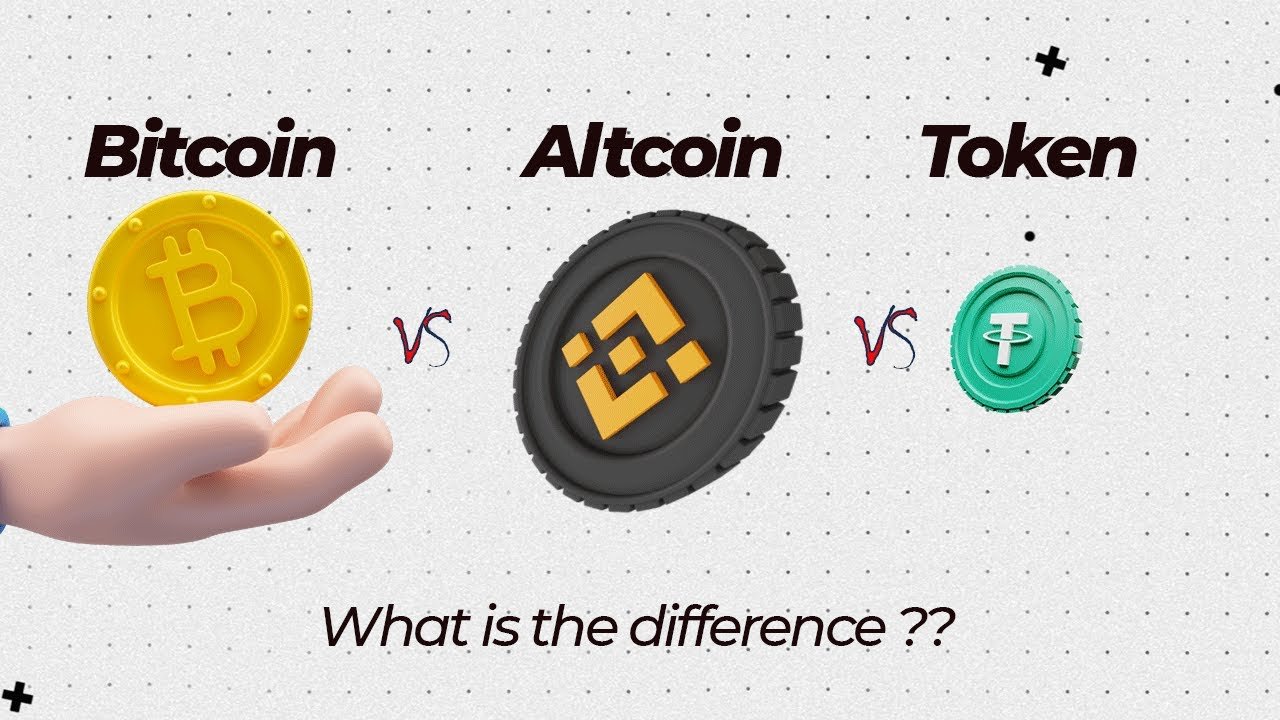
Bitcoin is primarily designed as a store of value and a medium of exchange, often referred to as “digital gold.” Altcoins, on the other hand, often serve specialized purposes. For example, some altcoins focus on privacy (like Monero), others on decentralized finance (like Aave or Uniswap), and some on enhancing blockchain infrastructure (like Polkadot or Cardano).
While Bitcoin is widely adopted and generally considered a safer investment within crypto, altcoins often carry higher risk but also offer higher potential rewards. The price of an altcoin can skyrocket if its underlying technology gains adoption, but it can also crash dramatically if the project fails or loses community support.
Types of Altcoins
Altcoins can be categorized into several types based on their function:
- Utility Tokens: These coins provide access to a product or service within a specific blockchain ecosystem. For example, Ethereum’s ETH is used to pay transaction fees and execute smart contracts.
- Security Tokens: These represent ownership of assets, similar to stocks or bonds, and may offer dividends or revenue-sharing mechanisms.
- Stablecoins: These are pegged to a stable asset, like the US dollar, to minimize volatility. Examples include USDT (Tether) and USDC.
- Meme Coins: Often created for fun or social media hype, these coins (like Dogecoin or Shiba Inu) can be extremely volatile and speculative.
Understanding these categories helps investors decide which altcoins align with their investment strategy. For example, if you’re risk-averse, stablecoins might be appealing. If you’re chasing high growth potential, utility or emerging platform coins may be the better choice.
Altcoins are where creativity and experimentation in the crypto space happen. By understanding their types and purposes, you can begin to identify which projects are worth your time and capital.
Why Invest in Altcoins?
Investing in altcoins isn’t just a trend—it’s a strategic move that many investors use to diversify their portfolios and maximize returns. While Bitcoin often dominates headlines, altcoins present opportunities that Bitcoin cannot, thanks to their innovation, versatility, and growth potential. Let’s break down why investing in altcoins might make sense for both beginners and seasoned investors.
High Growth Potential

One of the most compelling reasons to invest in altcoins is their potential for explosive growth. Unlike Bitcoin, which has already established its market value, many altcoins are still in early stages of adoption. For instance, Ethereum, Cardano, and Solana started as niche projects but have experienced tremendous price growth over the years due to widespread adoption of their underlying technology.
High growth potential comes with risk, of course. Prices can fluctuate dramatically, and not every altcoin succeeds. But for investors willing to do research and choose projects carefully, the rewards can be significant. Altcoins allow investors to enter emerging sectors, like decentralized finance (DeFi), non-fungible tokens (NFTs), and blockchain infrastructure, before these markets become mainstream.
Portfolio Diversification
Altcoins are also an excellent tool for diversification. Relying solely on Bitcoin exposes you to the risks of a single asset, even if it’s considered “digital gold.” Altcoins allow you to spread risk across multiple projects and technologies. For example, while Bitcoin primarily functions as a store of value, Ethereum supports smart contracts, Cardano focuses on scalability and sustainability, and Solana provides ultra-fast transactions for decentralized applications.
By investing in a mix of altcoins, you’re not just betting on one coin; you’re betting on the broader growth and adoption of blockchain technology. Diversification can reduce the impact of a single asset’s poor performance and increase your overall portfolio resilience.
Access to Emerging Technologies
Another reason to invest in altcoins is that they often represent cutting-edge technology. Unlike Bitcoin, which is primarily digital money, many altcoins are part of broader ecosystems that enable decentralized applications, smart contracts, and financial services without intermediaries. By investing in these coins, you’re gaining exposure to innovation in areas like decentralized finance, supply chain solutions, and even artificial intelligence integration.
Altcoins also give investors a chance to participate in early-stage projects that could shape the future of finance and technology. Being an early supporter of a successful altcoin project can mean not just financial gain, but also involvement in technologies that might redefine industries.
In short, altcoins are attractive because they offer higher potential returns, diversification, and access to the cutting edge of blockchain innovation. But it’s crucial to balance opportunity with caution—understanding the risks and doing thorough research before investing is non-negotiable.
Risks of Altcoin Investing
While altcoin investing can be highly rewarding, it comes with a unique set of risks that every investor must understand before diving in. Unlike traditional investments, cryptocurrencies are volatile, relatively new, and largely unregulated, which makes risk management an essential part of any investment strategy. Let’s explore the main risks in detail.
Market Volatility
The crypto market is famously volatile, and altcoins are even more susceptible than Bitcoin. Prices can swing by 10%, 20%, or even 50% in a single day. This volatility is often driven by market sentiment, social media hype, or sudden regulatory news. While volatility presents opportunities for traders to profit, it can also result in massive losses for unprepared investors.
For example, a promising altcoin might skyrocket because of a new partnership announcement, only to crash hours later due to a negative market sentiment or technical glitch. This unpredictability requires investors to stay informed, adopt risk management strategies, and avoid investing more than they can afford to lose.
Regulatory Risks
Altcoins operate in a legal gray area in many countries. Some governments have embraced cryptocurrencies, while others have imposed restrictions or outright bans. Regulatory changes can significantly impact the price and usability of altcoins. For instance, news of stricter regulations in a major market like the U.S., China, or the EU can cause abrupt market downturns.
Investors need to stay updated on global regulations and consider the legal environment when choosing which altcoins to invest in. Ignoring regulatory risks can result in sudden losses or even legal complications.
Scams and Fraudulent Coins

Unfortunately, the altcoin market has its share of scams and “pump-and-dump” schemes. Some altcoins are created solely to defraud investors, promising unrealistic returns and then disappearing. Even well-known exchanges can occasionally list low-quality or fraudulent coins.
To mitigate this risk, it’s essential to perform thorough due diligence. Investigate the project team, examine the whitepaper, and check community engagement. Avoid coins that rely heavily on hype rather than tangible utility.
Liquidity Issues
Not all altcoins are easy to buy or sell. Some smaller, lesser-known altcoins suffer from low liquidity, meaning there aren’t enough buyers and sellers to execute trades efficiently. Low liquidity can lead to price manipulation or difficulties exiting a position.
Before investing, check the trading volume of an altcoin on reputable exchanges. High liquidity coins tend to be safer and easier to trade, while low liquidity coins are riskier and should be approached cautiously.
Altcoin investing is exciting, but it’s not a guaranteed path to wealth. Understanding and managing these risks—volatility, regulations, scams, and liquidity—can protect your investments and help you make smarter decisions. Essentially, the higher the reward potential, the higher the need for vigilance.
Markazf.xyz is a dedicated crypto education platform, helping beginners and experienced users understand blockchain, cryptocurrencies, trading, and DeFi. Our goal is to provide clear guides, tutorials, and the latest updates to make crypto learning simple, safe, and effective.